Pranamasana / Salutation Pose
pranamasana-salutation-pose
Sanskrit Name: प्रणामासन (Pranāmāsana)
English Name: Standing Salutation Pose
Pronunciation: prah-NAHM-ah-sah-nah
Steps to Perform Pranamasana
- Starting Position:
Stand at the front of your mat in a comfortable position with feet together or hip-width apart. Distribute your weight evenly on both feet. - Alignment of Spine:
Lengthen your spine, roll your shoulders back and down, and gently engage your core. - Hand Placement:
Bring both palms together in Anjali Mudra (Namaste) at the center of your chest. Keep elbows relaxed. - Breathing:
Take a deep inhale through the nose, exhale slowly, and allow the body to settle in a state of grounding. - Gaze Point:
Maintain a soft gaze forward or close your eyes for deeper centering. - Final Alignment:
Ensure your shoulders are relaxed, chest is naturally open, and the chin is slightly lifted but not strained. Keep the body still and balanced.
Benefits of Pranamasana
- Improves Posture: Encourages proper alignment of the spine and shoulders.
- Centers the Mind: Brings mental clarity and prepares the mind for practice.
- Enhances Breathing: Promotes conscious breathing and lung expansion.
- Balances Energy: Activates grounding and calming energies.
- Emotional Stability: Helps cultivate humility, gratitude, and inner peace.
- Strengthens Focus: Enhances concentration and mindfulness at the beginning and end of practice.
- Reduces Stress: Promotes a sense of calmness and reduces anxiety.
Things to Keep in Mind
- Keep the spine long and chest softly lifted without stiffness.
- Avoid locking the knees; maintain a soft micro-bend if needed.
- Keep the shoulders relaxed and away from the ears.
- Engage your core slightly to maintain stability.
- If feeling dizzy, keep your eyes open and gaze softly ahead.
- Maintain natural breathing—avoid holding your breath.
Variations and Modifications
- Separated Feet: Keep feet hip-width apart for better balance.
- Raised Hands Option: Lift Namaste hands overhead for a deeper stretch.
- Wall Support: Stand near a wall for alignment and grounding.
- Soft Bend: Slightly bend knees if you experience lower back tension.
- Eyes Closed Variation: Close the eyes for a meditative experience.
Contraindications
- People with severe balance disorders should keep eyes open.
- Those with vertigo or dizziness should avoid closing their eyes.
- Avoid prolonged standing if suffering from low blood pressure without support.
- Knee or leg injuries may require wider stance or wall assistance.
Preparatory and Follow-Up Poses
Preparatory Poses:
- Tadasana (Mountain Pose)
- Deep Yogic Breathing
- Simple Neck and Shoulder Rolls
Follow-Up Poses:
- Hasta Uttanasana (Raised Arms Pose)
- Uttanasana (Forward Fold)
- Surya Namaskar Sequence
Energetic and Symbolic Aspects
- Chakra Activation:
Stimulates the Anāhata Chakra (Heart Chakra)—inviting compassion, peace, and gratitude. - Symbolic Meaning:
Represents humility, surrender, and a conscious pause before beginning the journey—both on the mat and in life. It symbolizes respect for self, nature, and the divine.
Recent Blog Posts
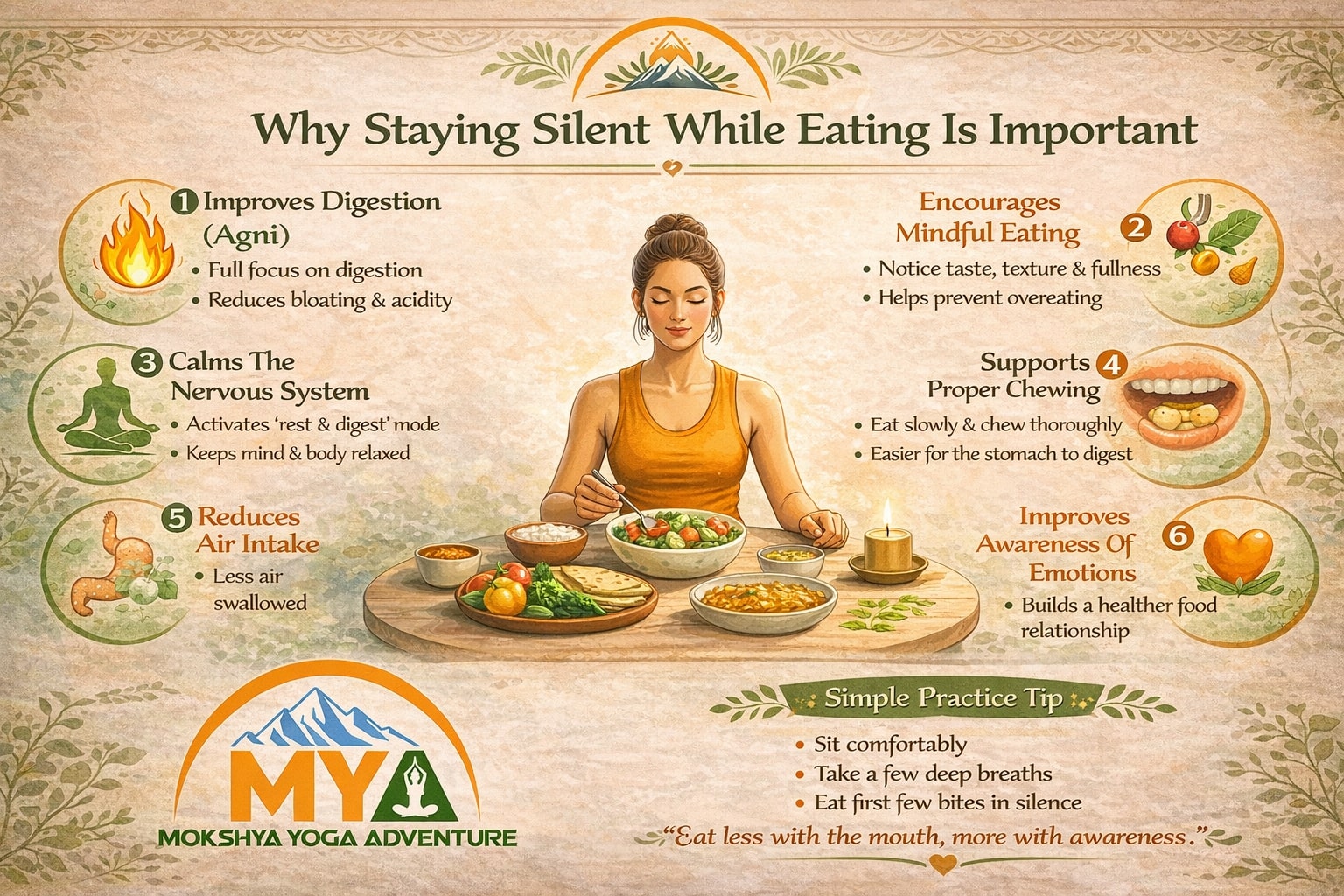
Why Staying Silent While Eating Is Important?
Jan 04, 2026
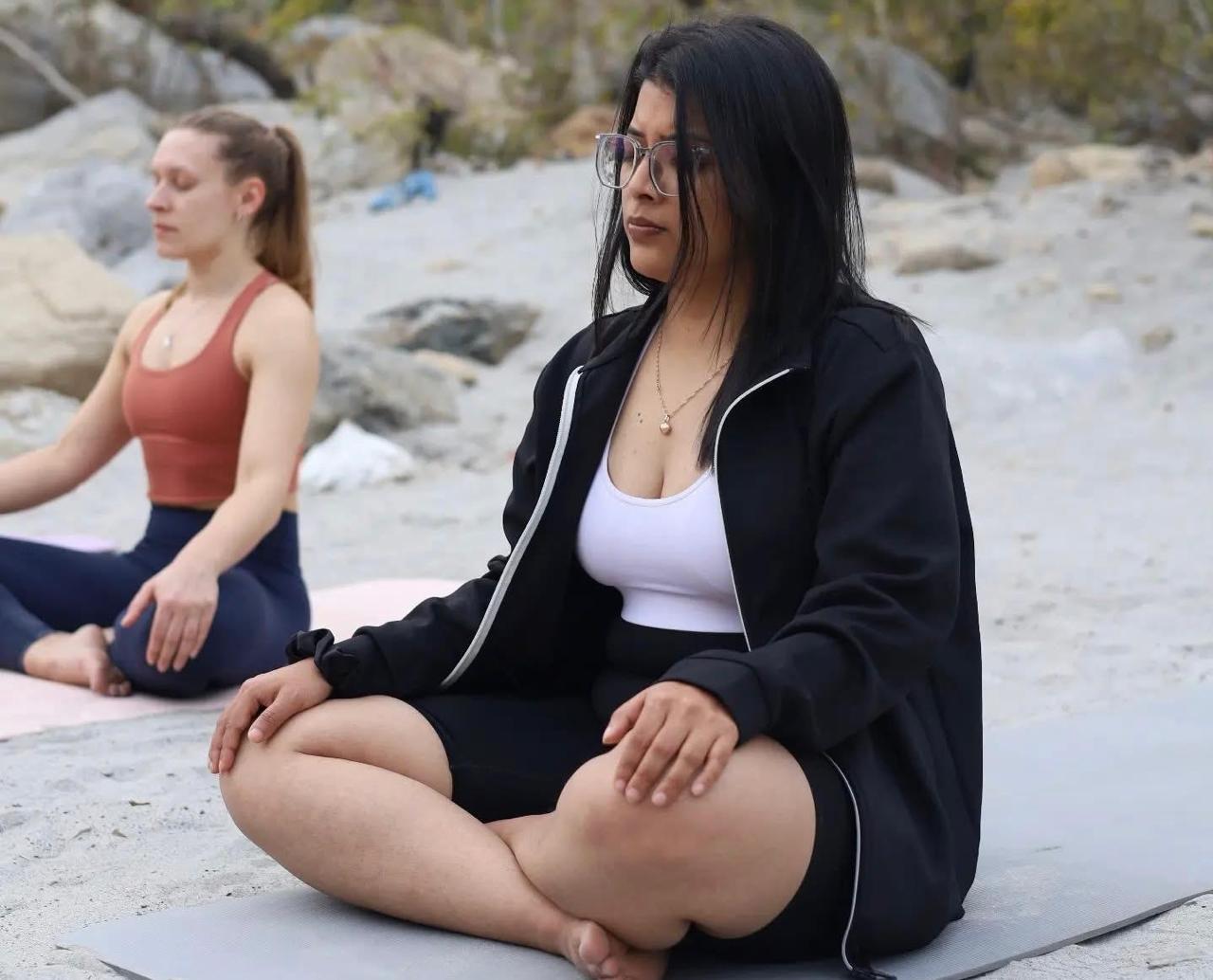
Soham Meditation: Connect with Your True Self
Dec 21, 2025

Vegetarian Sources of Good Fats
Dec 03, 2025